
The San Francisco Metropolitan Area spans a vast and diverse geography - from the tech corridors of the Peninsula to the coastal towns of San Mateo County and the East Bay hubs near Oakland. Choosing a centrally located hotel here means different things depending on your agenda: proximity to SFO, access to BART or Caltrain, or easy driving distance to key business campuses. This guide cuts through the noise to help you find the right base, with real context on each property's positioning across the metro.
What It's Like Staying in the San Francisco Metropolitan Area
The San Francisco Metropolitan Area is not a single walkable city - it's a sprawling network of distinct zones connected by BART, Caltrain, and highway. Driving remains the dominant mode of transport across most of the Peninsula and East Bay, where hotel clusters sit close to tech campuses and arterial highways rather than tourist centers. Crowds concentrate heavily around SFO, downtown San Francisco, and Oakland, but suburban pockets like Castro Valley, Belmont, or Pescadero offer a noticeably quieter rhythm suited to road-trippers, remote workers, and nature-focused travelers.
Business travelers targeting Oracle, Salesforce, or mid-Peninsula tech firms gain real efficiency from staying in Belmont or Castro Valley, cutting commute time significantly. Coastal visitors, meanwhile, find little reason to anchor in the city core when Montara and Pescadero place them directly on the Pacific. Around 70% of visitors to the Bay Area rent a car or rely on rideshare, which expands the practical radius of any hotel well beyond its immediate neighborhood.
Pros:
- Wide geographic spread allows travelers to stay close to their actual destination - tech campus, airport, or coastline
- Caltrain and BART corridors connect Peninsula and East Bay hotels to downtown San Francisco without driving
- Suburban and coastal options offer significantly lower nightly rates than San Francisco proper
Cons:
- Without a car, mobility between suburbs and attractions is limited - transit gaps are real outside core corridors
- Hotel options in coastal towns like Pescadero are sparse, meaning availability fills fast on weekends
- Traffic on US-101 and I-880 during peak hours can double estimated travel times across the metro
Why Choose Central Hotels in the San Francisco Metropolitan Area
Central hotels in this metro aren't defined by a single downtown - they're defined by proximity to the traveler's actual anchor point: an airport, a corporate campus, a regional transit station, or a coastal trail. Properties positioned near Caltrain stops or major highways deliver genuine logistical value, eliminating the need for expensive rideshares or stressful parking searches. Nightly rates in Peninsula and East Bay central hotels run around 40% lower than comparable properties in San Francisco's Union Square or SoMa neighborhoods, with the tradeoff being a more suburban or small-town atmosphere.
Room sizes in these centrally positioned suburban hotels tend to be more generous than city-core counterparts, with standard rooms commonly offering work desks, microwaves, and in-room coffee - reflecting the high proportion of extended-stay and business guests. Free parking is standard at most suburban central hotels, a meaningful saving given San Francisco's $50-$70/night garage rates. The trade-off is that walkability scores are low: dining, entertainment, and retail typically require a short drive.
Pros:
- Free parking is included at most options, a significant cost saving over city-center properties
- Rooms are larger on average and typically include work desks and in-room kitchen basics
- Proximity to Caltrain or BART stations at select properties makes car-free commuting viable
Cons:
- Walkable dining and nightlife options are limited - most locations require a car for evening activities
- Suburban atmosphere lacks the energy of San Francisco's core neighborhoods
- Coastal properties fill up fast on weekends with limited nearby alternatives if sold out
Practical Booking & Area Strategy
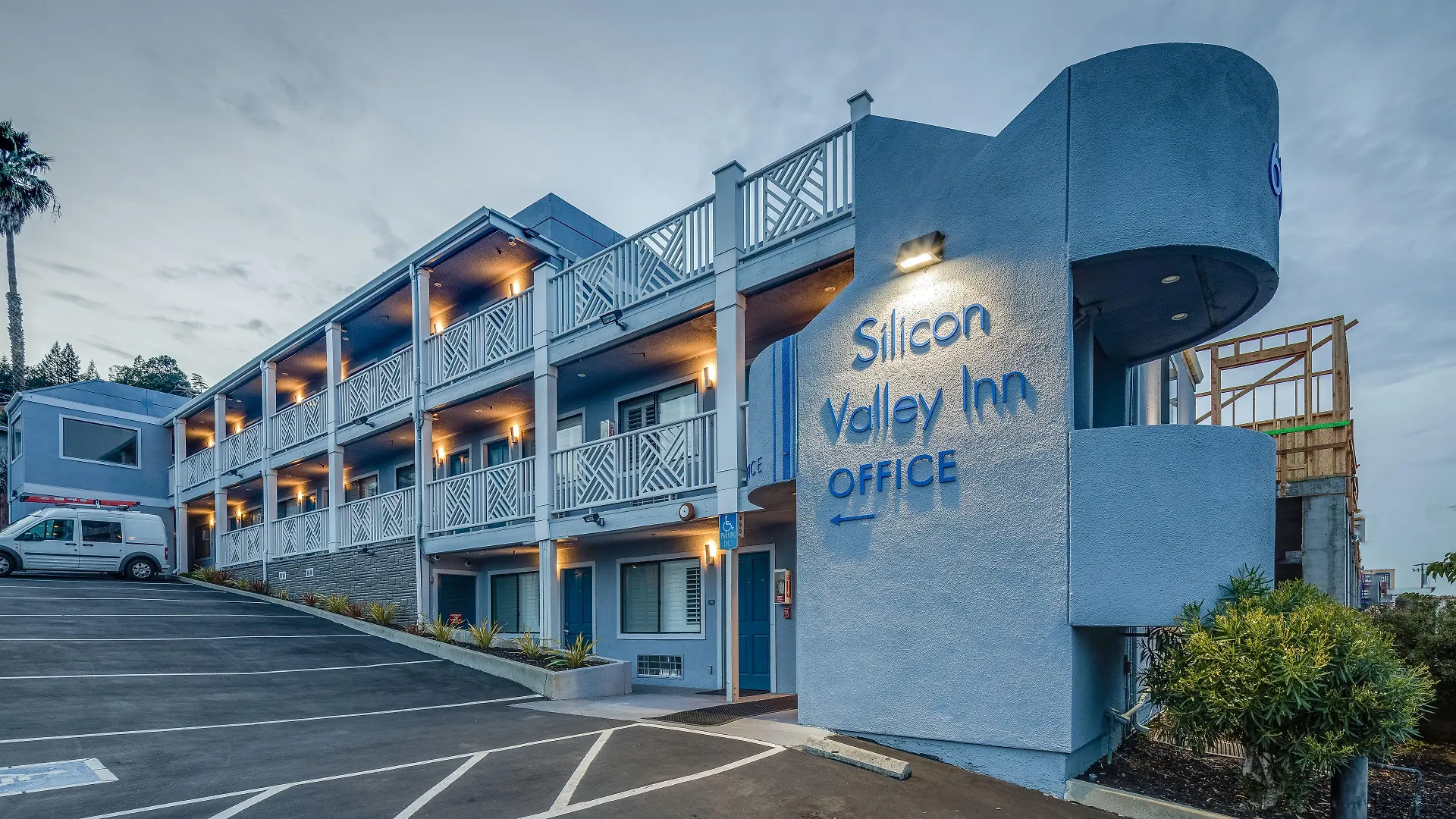
For travelers flying into SFO, Belmont sits directly on the Caltrain corridor - Caltrain and SamTrans stops are steps from Silicon Valley Inn, making it one of the few Peninsula hotels with genuine car-free access to both San Francisco and San Jose. Castro Valley, served by BART's green line, places guests around 20 minutes from downtown Oakland and 35 minutes from San Francisco's Embarcadero by train. Coastal stays in Montara or Pescadero require a car but reward travelers with access to the 1,700-acre McNee Ranch State Park, Año Nuevo State Park for elephant seal viewing, and the Pescadero Marsh Natural Preserve - experiences unavailable from any city-center hotel.
The Oracle Arena, Oakland Zoo, California State University East Bay, and the Golden Gate Bridge are all reachable within 30 minutes from Castro Valley, making it a genuinely strategic base for East Bay sightseeing. Book coastal properties at least 3 weeks in advance for weekends between April and October, when Montara State Beach and Half Moon Bay draw heavy Peninsula day-tripper overflow. Business travelers targeting mid-Peninsula campuses should prioritize Belmont for the shortest possible commute, while leisure travelers wanting coastal access without full isolation should consider Montara as a realistic compromise.
Best Value Stays
These properties offer strong logistical positioning relative to their price point - suited to business travelers, airport-adjacent stays, and budget-conscious Bay Area visitors who prioritize function over frills.
-
1. Silicon Valley Inn
Show on map


 Check-infrom 15:00 until 23:00Check-outuntil 11:00
Just a few rooms left at the best rate!
fromUS$ 121
-
2. Comfort Inn Castro Valley
Show on map


 Check-infrom 15:00 until 23:59Check-outuntil 11:00
Just a few rooms left at the best rate!
fromUS$ 132
Best Premium & Unique Stays
These properties offer distinct experiences beyond standard hotel stays - one anchored directly on the Pacific coast inside a working lighthouse, the other a historic country inn surrounded by mountain views and cycling trails south of Half Moon Bay.
-
3. Hi Point Montara Lighthouse
Show on map


 Check-infrom 15:00 until 21:00Check-outuntil 12:00
Hurry – almost gone at this price!
fromUS$ 40
-
4. Pescadero Creek Inn
Show on map


 Check-infrom 16:00 until 21:00Check-outfrom 07:00 until 12:00
Rooms filling fast – secure the best rate!
fromUS$ 244
Smart Travel & Timing Advice
The San Francisco Bay Area sees its highest hotel demand between June and October, when summer tourism, tech conference season, and favorable coastal weather overlap. Prices at East Bay and Peninsula hotels spike around 25% during major Oracle, Salesforce, and Google event weeks - dates worth checking before booking if you're targeting Belmont or Castro Valley. The quietest and most affordable window runs from mid-November through February, when business travel slows and coastal weather is mild but unpredictable - Montara and Pescadero are particularly well-suited to off-season visits when the beaches are largely empty.
For coastal properties, a 2-night minimum makes logistical sense given driving distances from major Bay Area hubs - a single-night stay rarely justifies the round trip. Book Hi Point Montara Lighthouse at least 3 weeks ahead for any weekend between April and September, as its uniqueness and limited inventory make it sell out faster than its price point suggests. For business stays in Belmont or Castro Valley, last-minute rates can be reasonable outside conference weeks, but airport-adjacent properties near SFO fill quickly during holiday travel windows in late November and late December. Aim for Sunday through Thursday arrivals for the best nightly rates across all four properties.


