
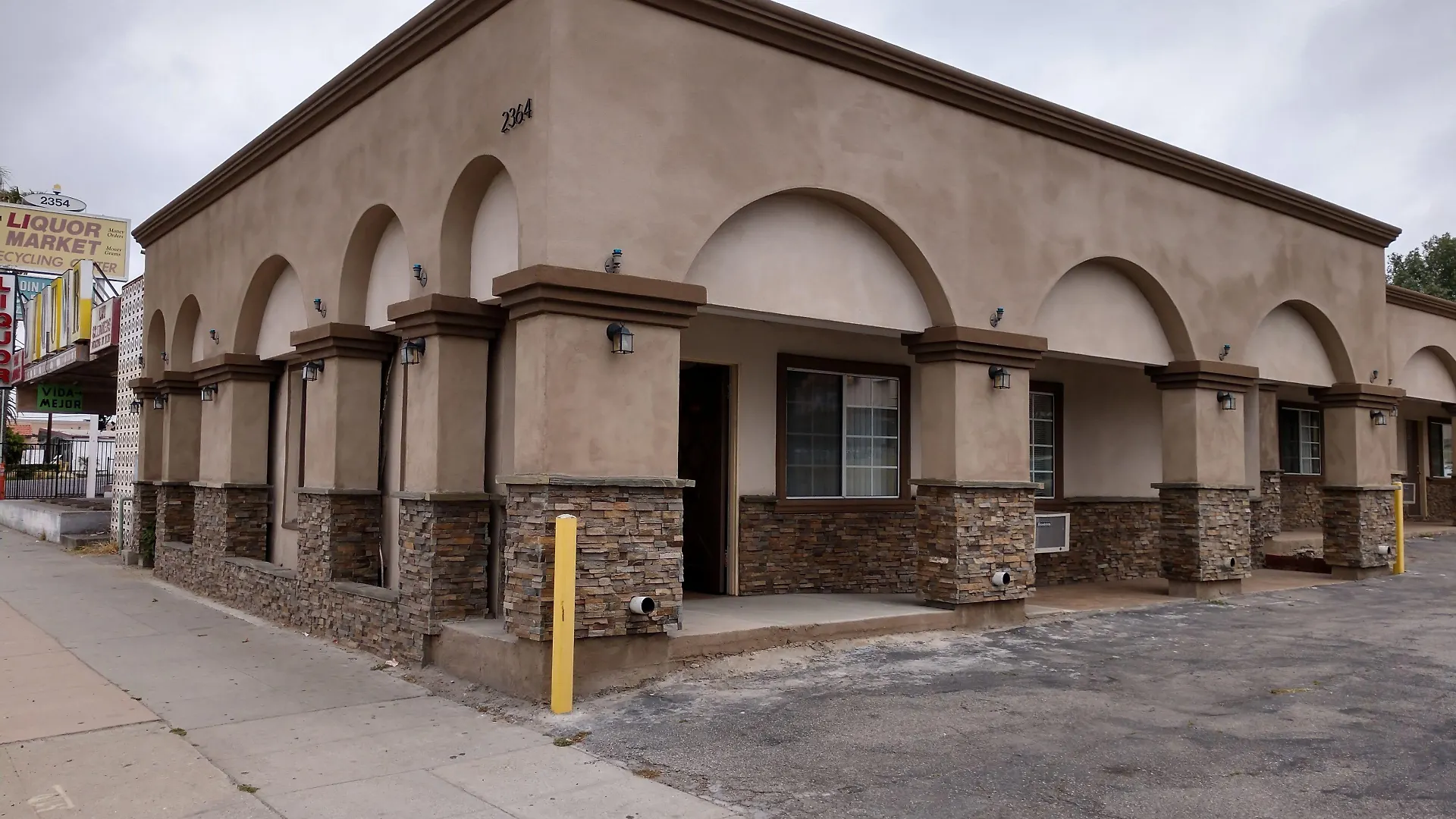
Finding a reliable 2-star hotel in the Los Angeles Metropolitan Area means navigating one of the most spread-out urban regions in the United States - a metro that stretches from Thousand Oaks in the northwest to Pomona in the east, and from Sylmar in the north down to the South Bay coast. This guide cuts through the noise to help you compare real options across neighborhoods like Santa Monica, Glendale, San Dimas, and Lomita - so you book the right property for your route, not just the cheapest rate you stumble across.
What It's Like Staying in the Los Angeles Metropolitan Area
The Los Angeles Metropolitan Area is a car-dependent sprawl where distances that look manageable on a map often translate to 40-minute drives without traffic - and significantly longer during peak hours on the I-10, I-405, or Highway 101. Public transit covers major corridors but leaves large suburban zones like San Dimas, Pomona, or Sylmar poorly served, making a rental car nearly essential for most itineraries. Budget travelers staying in 2-star motels here tend to cluster along highway corridors, which puts them close to freeway access but farther from walkable amenities.
The metro draws a wide range of visitors - theme park tourists heading to Universal Studios or Knott's Berry Farm, beach-seekers targeting Santa Monica and Venice, and event attendees at venues like Fairplex in Pomona or the Long Beach Convention Center. Crowd patterns vary sharply by subregion: the Westside stays busy year-round while inland areas like the San Gabriel Valley see surges mainly around specific events.
Pros:
Budget accommodations along highway corridors provide fast freeway access to multiple LA districts
Coastal motels near Santa Monica and Venice Beach offer genuine proximity to major attractions at a fraction of Westside hotel prices
Inland locations in Pomona and San Dimas sit near regional parks, raceway events, and university campuses - useful for specific trip purposes
Cons:
Without a car, most 2-star motel locations in the metro are poorly connected to major sights
Highway-adjacent properties can suffer from road noise, especially in budget-tier rooms without soundproofing
Los Angeles metro traffic can add around 40 minutes to any cross-city drive during rush hours, making location choice critical
Why Choose 2-Star Hotels in the Los Angeles Metropolitan Area
In a metro where 3-star and 4-star hotels in central areas like West Hollywood or Santa Monica routinely exceed $200 per night, 2-star motels fill a practical gap - offering nightly rates that often come in well under $120 while still providing the basics: free parking, free Wi-Fi, air conditioning, and in-room microwaves or mini-fridges. Free parking alone is a major cost saver in LA, where valet or garage fees at upscale hotels can add $40-$60 per night to your total spend. Room sizes at this tier are typically modest, but the trade-off in price is concrete and immediate.
The 2-star category in Los Angeles tends to mean independently operated or franchise motels - brands like Red Roof Inn, Americas Best Value Inn, or independent properties - positioned off major highways rather than in dense urban cores. Exterior corridor layouts are common, which means rooms open directly to parking lots or outdoor walkways rather than indoor hallways. This suits road-trippers and drive-through visitors more than leisure travelers who want a full hotel experience.
Pros:
Free parking included at virtually all 2-star motels in the LA metro - a daily saving compared to downtown or beachside hotels
Strategic highway positioning (Highway 1, Highway 101, I-210) allows quick access to multiple parts of the metro
Most properties offer in-room refrigerators and microwaves, reducing meal costs for budget-conscious travelers
Cons:
Exterior corridor layouts common at this tier feel less secure and more exposed, particularly at night
Limited on-site dining - most 2-star motels in LA have no restaurant, requiring a car trip for every meal
Rooms are functional but rarely exceed 25 m2 - limited workspace and comfort for stays beyond 2 nights
Practical Booking & Area Strategy for the LA Metro
Your choice of subregion defines your entire trip. Santa Monica and the Westside give you walkable access to Venice Beach, the Third Street Promenade, and Santa Monica Pier, but even budget motels here command a premium over inland equivalents. Glendale sits roughly equidistant between downtown Los Angeles, Burbank Airport, and Griffith Observatory - making it a strong base for first-time visitors who want flexibility without committing to a specific corridor. For event-driven trips to Fairplex, Auto Club Raceway, or Cal Poly Pomona, staying in Pomona or San Dimas cuts down on driving significantly.
The San Fernando Valley corridor - anchored by Sylmar in the north - offers the lowest rates in the metro and is roughly 16 km from Hollywood Burbank Airport, though it sits far from beach attractions. Thousand Oaks, off Highway 101, works well for visitors combining a Malibu day trip with wine country detours into Ventura County, and it avoids the worst of LA's urban traffic. For LAX arrivals, the South Bay motel zone near Lomita and Redondo Beach keeps airport transfers under 25 minutes by car while positioning guests just 10 minutes from the beach. Book at least 3 weeks in advance for summer weekends and any period coinciding with major events at Fairplex or the Long Beach Convention Center.
Best Value 2-Star Stays
These properties deliver the strongest price-to-utility ratio across the LA metro, with solid highway access, essential amenities, and proximity to specific regional attractions that justify their location.
-
1. Bartlett Motel
Show on map


 Check-infrom 14:00 until 23:00Check-outuntil 10:00
Just a few rooms left at the best rate!
fromUS$ 105
-
2. Economy Inn Motel
Show on map


 Check-infrom 16:00 until 23:59Check-outuntil 11:00
Just a few rooms left at the best rate!
fromUS$ 134
-
3. Garey Motel
Show on map


 Check-infrom 15:00 until 23:59Check-outfrom 09:00 until 12:00
Just a few rooms left at the best rate!
fromUS$ 88
-
4. Ruby Motel
Show on map


 Check-infrom 14:00 until 23:59Check-outfrom 10:00 until 11:00
Hurry – almost gone at this price!
fromUS$ 79
Best Mid-Range 2-Star Picks
These properties offer more notable amenities - outdoor pools, spa facilities, or stronger proximity to major attractions - while remaining within the 2-star budget category across different LA metro corridors.
-
5. Red Roof Inn San Dimas - Fairplex
Show on map


 Check-infrom 16:00 until 23:59Check-outuntil 11:00
Hurry – almost gone at this price!
fromUS$ 95
-
2. Americas Best Value Inn Thousand Oaks
Show on map


 Check-infrom 15:00 until 23:59Check-outuntil 11:00
Hurry – almost gone at this price!
fromUS$ 59
-
3. Rest Haven Motel
Show on map


 Check-infrom 15:00 until 22:00Check-outuntil 11:00
Rooms filling fast – secure the best rate!
fromUS$ 139
-
4. Tilbury Inn
Show on map


 Check-infrom 14:00 until 23:59Check-outfrom 10:00 until 11:00
Rooms filling fast – secure the best rate!
fromUS$ 149
Smart Travel & Timing Advice for LA Metro Budget Hotels
Summer (June through August) is the peak period across the entire LA metro, with coastal properties near Santa Monica and Venice Beach seeing the steepest rate increases and the fastest sell-outs at budget tier. Inland locations like Pomona, San Dimas, and Thousand Oaks remain more available during summer but spike around specific events - Fairplex hosts the LA County Fair every September, which fills nearby motels quickly. Book at least 3 weeks ahead for any summer coastal stay or event-adjacent property to secure 2-star rates before they shift upward.
Late fall and winter (November through February) represent the best value window in the LA metro: crowds thin out, rates at most 2-star motels drop noticeably, and the weather remains mild enough for beach and outdoor visits. A 2-night stay is the practical minimum for most LA metro itineraries given the driving distances involved; 3 nights is more realistic if you plan to cover both coastal and inland attractions. Last-minute booking in winter can yield real savings at highway corridor motels in Sylmar, Lomita, and Thousand Oaks, but Santa Monica properties rarely discount significantly regardless of season given their structural demand advantage.


